
What Is Alpha-gal Syndrome?
Alpha-gal syndrome (often called AGS) is a type of allergy that an individual can develop at any age after being bit by a certain type of tick. After a tick bite, the body’s immune system begins to react when exposed to a particular sugar molecule like a threat and can cause an allergic reaction. The specific sugar molecule is called alpha-gal (galactose-α-1,3-galactose). This sugar is naturally found in most mammals such as cows, pigs, and deer, but not in humans.
Because alpha-gal is in red meat, AGS is sometimes called the “red meat allergy”. However, allergic reactions can happen from any type of contact with products made from mammals beyond just eating them, such as skin contact or even inhaling fumes.
One tick bite can trigger the allergy.
Allergic reactions can be similar to food allergies but can also include skin contact or breathing in air with strong odors or scents.
How It Starts
A person develops the allergy after being bit by a particular tick, called the Lone Star Tick. This tick is common in the eastern and southern parts of the country and has begun to spread to more locations every year. The saliva of the tick contains the special sugar molecule called alpha-gal, and when it bites a human some of this sugar molecule can enter the person’s body.
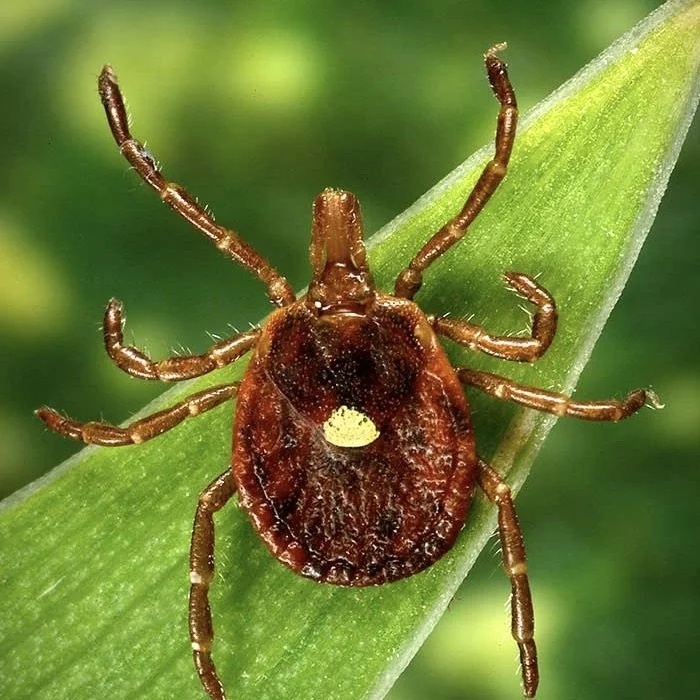
The Lone Star Tick
When the body’s immune system (the part that fights off sickness and infection) comes across the molecule, it begins to treat it as a threat and triggers an allergic reaction as a way to protect the body. From then on, the body consistently experiences an allergic reaction when it has contact (typically from eating) with the specific sugar molecule, alpha-gal.
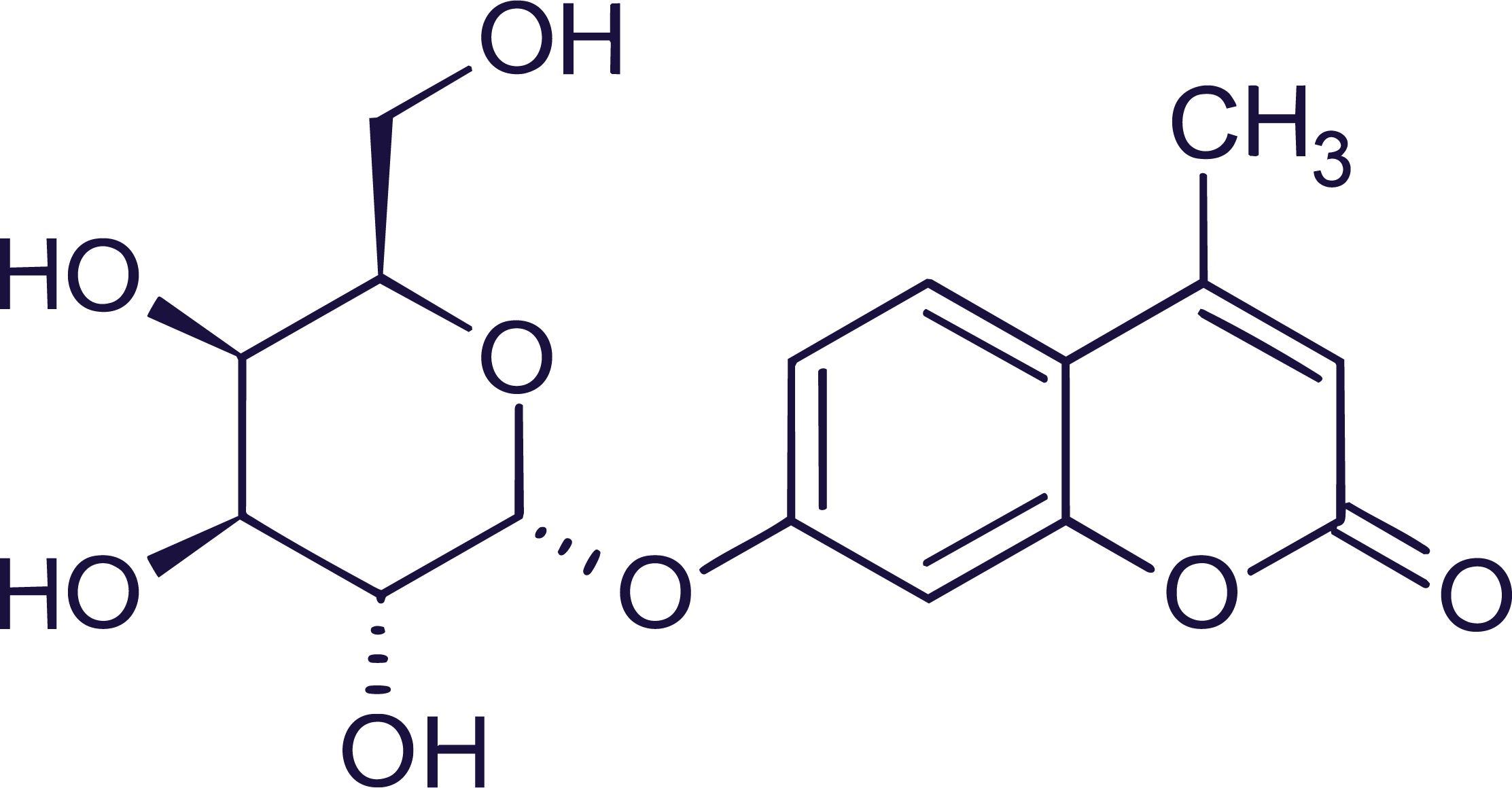
The full name is Galactose-α-1,3-galactose (alpha-gal or α-gal) and is a type of sugar.
What Triggers Reactions
Because this molecule is found in the bodies of all mammal animals, an allergic reaction will happen from any sort of products made from cows, pigs, sheep, or goats. Birds like chicken or turkey, as well as seafood, are not mammal animals and do not trigger the same allergic reaction. Individuals with an alpha-gal allergy are able to safely eat chicken, turkey, fish, and all other seafood without negative side effects.
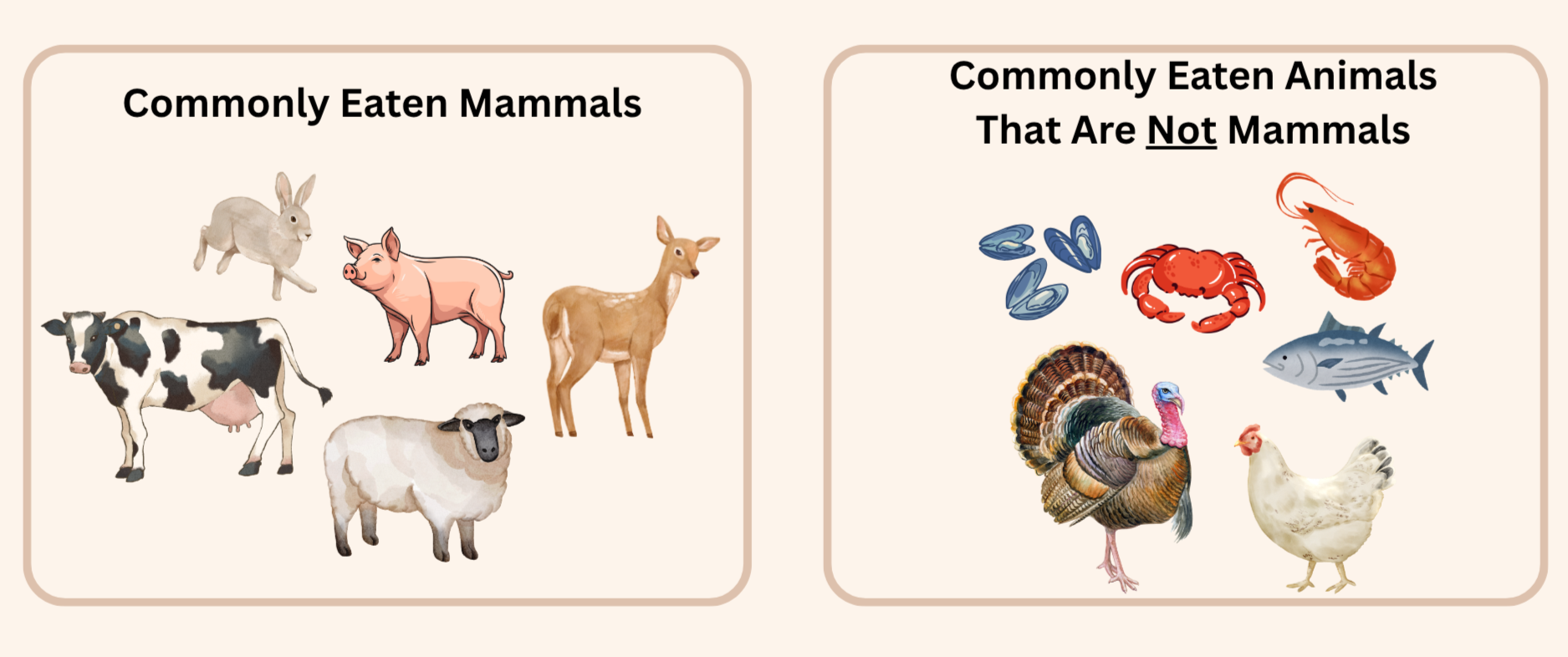
The most common items that people with AGS have to avoid include:
Red meats such as beef, pork, lamb, venison, and sometimes organ meats like liver.
Foods made with animal fat, such as some sausages, gravies, or lard‑based baked goods.
Dairy products, including cow’s milk, cheese, ice cream, and other milk‑based foods, for some people.
Gelatin and certain medications or medical products made from mammals, in some cases.
Many boxed or frozen foods that can be bought at a grocery store have a mix of ingredients that may include some form of mammal products, like gelatin or dairy, which makes them a risk for allergic reactions.
Alpha-gal Symptoms
Symptoms usually start several hours after eating, not right away. Reactions often happen about 2 to 6 hours after eating food that contains alpha-gal and sometimes even later.
Symptoms can be mild or very serious. They may include:
Itchy skin, hives, or flushing.
Swelling of the lips, eyelids, face, tongue, or throat.
Stomach pain, nausea, vomiting, diarrhea, or heartburn.
Coughing, wheezing, or shortness of breath.
· Dizziness, fainting, or a drop in blood pressure in severe reactions.
