
Diagnosis & Testing
How Do Doctors Diagnose Alpha-gal Syndrome?
Doctors diagnose alpha-gal syndrome (AGS) by looking at three main things:
Your symptoms
Your history of tick bites or tick exposure
The results of a blood test
No single test can diagnose AGS by itself. Doctors look at all of this information together before making a diagnosis.

What Will the Doctor Ask?
Your doctor will ask questions such as:
What symptoms have you had?
What foods did you eat before your reaction?
How long after eating did the symptoms begin?
Have you been bitten by ticks?
When did the symptoms first start?
Do your symptoms improve when you avoid mammal meat and other alpha-gal-containing foods?
These answers help your doctor decide whether AGS is likely.
The Main Blood Test
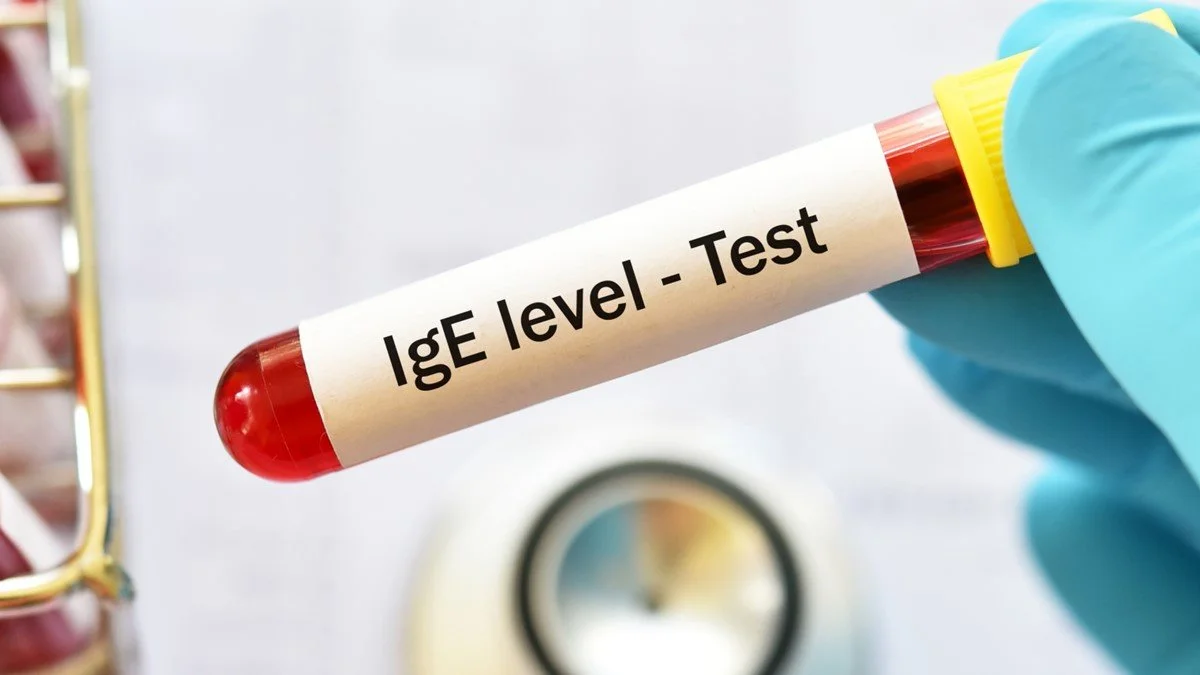
The most important test for AGS is a blood test called the alpha-gal IgE (specific IgE) test.
This test measures whether your immune system has made antibodies against alpha-gal.
A positive test does not automatically mean you have AGS. You must also have symptoms that match the disease. Likewise, someone can have symptoms but still need additional testing if the blood test is negative.
What Do the Test Results Mean?
Positive test
A positive alpha-gal IgE blood test means your immune system has made antibodies to alpha-gal.
If you also have the typical symptoms and history, your doctor may diagnose AGS.
Negative test
A negative test does not always rule out AGS.
A small number of people with AGS have negative blood tests, especially early in the disease or in more complicated cases. If your symptoms strongly suggest AGS, your doctor may order more tests or refer you to an allergy specialist.

Other Blood Tests
Your doctor may order additional blood tests, including:
Total IgE
Beef IgE
Pork IgE
Lamb IgE
Gelatin IgE (in some cases)
These tests can provide extra information, but the alpha-gal IgE test is the most important one for diagnosing AGS.
Special skin tests
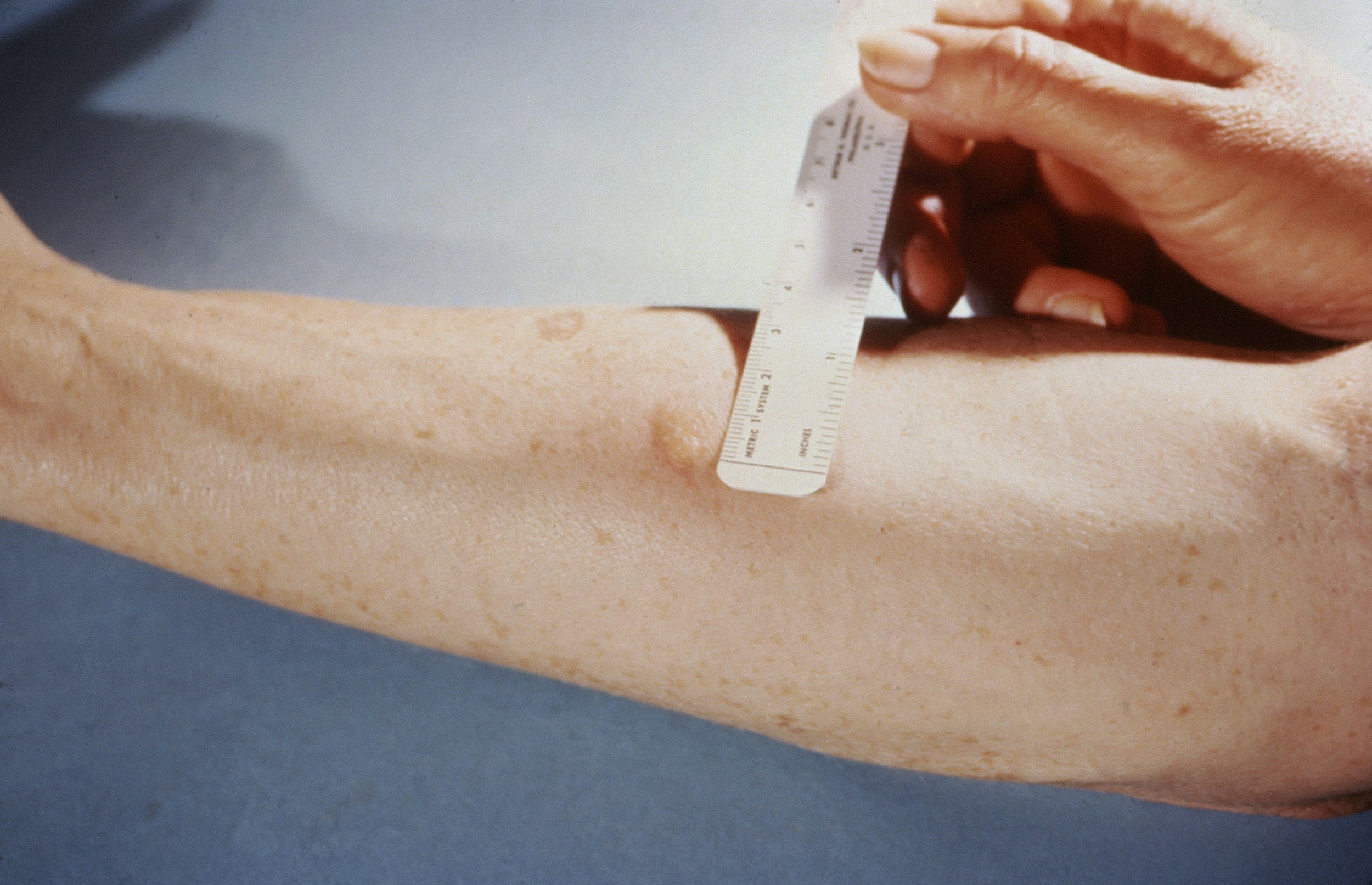
In some difficult cases, allergy specialists may perform special types of skin testing.
These tests are usually done only in clinics with experience treating AGS because they carry some risk and require careful monitoring.
Why Are Beef and Pork Tests Sometimes Positive?
Many people with AGS also have positive blood tests for beef or pork.
This does not necessarily mean they are allergic to beef or pork proteins.
Instead, the test may be detecting the alpha-gal sugar that is naturally found in those meats. Your doctor will interpret these results together with your alpha-gal test.
Can Someone Have a Positive Test Without Having AGS?
Yes.
Some people have alpha-gal antibodies in their blood but never develop symptoms.
For this reason, doctors do not diagnose AGS based only on a blood test. A diagnosis requires both:
Symptoms that fit AGS, and
A positive alpha-gal IgE test.
What If the Blood Test Is Negative but My Symptoms Match?
If your symptoms strongly suggest AGS, your doctor may:
Repeat the blood test later.
Order additional allergy tests.
Refer you to an allergist who has experience diagnosing AGS.
Recommend avoiding mammal products for a period of time to see whether your symptoms improve.
Some specialized allergy centers have additional testing methods that can help diagnose difficult cases.

Food Challenge Tests
Sometimes doctors ask a patient to eat a food under medical supervision to see if it causes a reaction. This is called a food challenge.
Food challenges for AGS are not common because reactions can happen several hours later and may be severe.
If one is needed, it should only be done by experienced healthcare professionals in a setting where emergency treatment is available.
When Should Someone Be Tested?
Talk to your healthcare provider about AGS testing if you:
Have had one or more tick bites.
Develop allergic reactions 3–8 hours after eating beef, pork, lamb, venison, or other mammal products.
Have repeated stomach problems after eating mammal meat without another clear cause.
Have unexplained hives or anaphylaxis that occurs several hours after eating.

Key Points to Remember
AGS is diagnosed using your symptoms, your medical history, and a blood test.
The alpha-gal IgE blood test is the main test used to help diagnose AGS.
A positive blood test alone does not prove you have AGS—you also need symptoms that fit the condition.
Regular skin allergy tests for beef and pork are not very reliable for AGS.
Some people need additional testing or evaluation by an allergy specialist.
Food challenge tests are used only in special situations because AGS reactions can be delayed and severe.
